
Can a Pine Plywood Supplier Provide Eco-Friendly and Custom Wood Solutions?
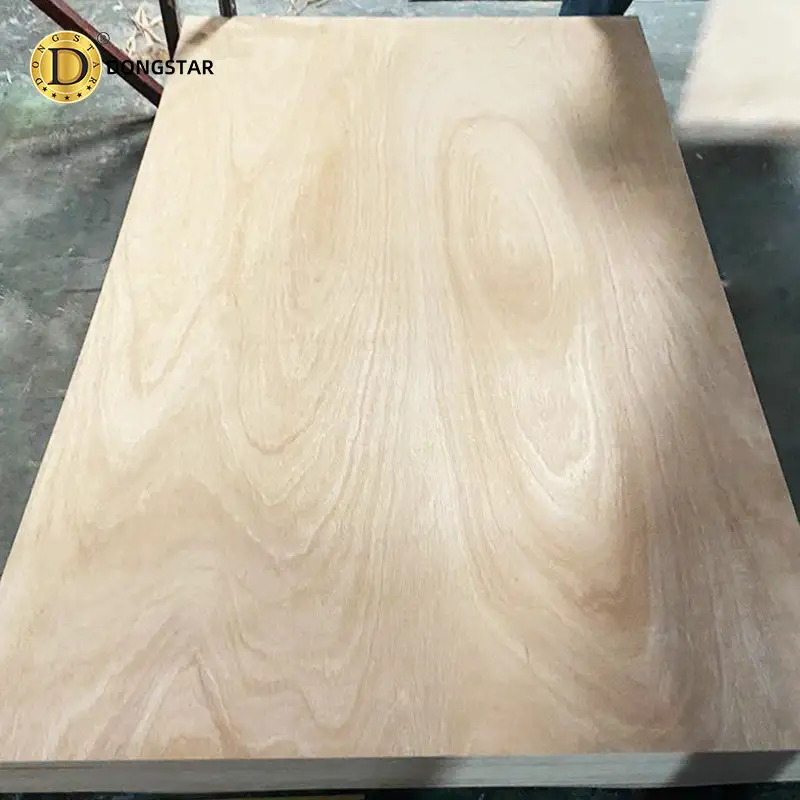
A qualified Pine Plywood Supplier offers FSC-certified panels with E0 formaldehyde emissions, meeting strict 2026 international building codes. Customization includes precision CNC cutting within 0.5mm tolerances and specialized phenolic film weights ranging from 120g/m² to 220g/m². These suppliers provide structural panels with a bending strength exceeding 60 MPa and moisture content calibrated to 8-12% for stability. By sourcing from manufacturers with verified supply chains, projects reduce onsite fabrication waste by 15% while ensuring structural compliance through rigorous third-party testing protocols and standardized veneer lamination techniques.
Sustainability requires documentation proving timber originates from managed forests, with 90% of inventory adhering to PEFC certification standards established in 2023. Manufacturers implement biomass energy systems, repurposing 40% of production wood residues to power their onsite boilers and drying kilns.
Advanced production lines utilize automated veneer scanners that detect internal knots or voids in 100% of the raw material feed, ensuring that only structural-grade pine moves into the pressing stage.
The transition to eco-friendly adhesives, specifically lignin-based phenolic resins, lowers VOC emissions to under 0.05 mg/L, exceeding the safety requirements of most regional environmental protection agencies. These chemical formulations maintain high bond integrity, with tests showing 95% survival rates after a 72-hour boiling water exposure.
| Technical Parameter | Specification Range | Performance Outcome |
| Veneer Thickness | 1.8mm – 3.2mm | Improved Load Bearing |
| Resin Content | 350g/m² | Water Resistance |
| Edge Density | 650 kg/m³ | Reduced Swelling |
| VOC Levels | E0 Standard | Air Quality Compliance |
Engineers often require non-standard panel dimensions to reduce structural joints, and professional manufacturers utilize laser-guided cutting systems for exact site fits. Precision adjustments in the plywood layup sequence, such as cross-laminating veneers, increase the panel stiffness by 12% compared to standard parallel-grain configurations.
Customization capabilities allow project teams to specify the exact number of veneers, where a 18mm panel consisting of 11 individual layers provides superior dimensional stability during the heavy vibration phase of high-rise concrete pouring.
Managing the supply chain involves verifying the maintenance logs of hydraulic hot presses, where heat distribution must remain uniform across the 2440mm x 1220mm surface area. Improper heat application during the bonding phase causes 3% to 7% of panels to develop internal delamination issues after just three usage cycles.
High-performance panel durability depends on the edge-sealing process, where a dual-layer acrylic paint application prevents moisture uptake during long-term outdoor storage. Proper edge protection extends the usable life of a panel by 20% to 30%, reducing the frequency of total material replacement on multi-story construction sites.
Reliable manufacturers maintain a database of batch-specific stress tests, tracking the performance of 500 sample units per production month to ensure that all output meets the designated modulus of elasticity.
Project managers should request third-party inspection reports for every shipment, focusing on the coefficient of variation for panel thickness, which should remain below 0.2mm across the entire pallet. Consistent thickness prevents the uneven wall finishes that plague 10% of projects utilizing lower-quality, variable-thickness construction materials.
Integrating eco-friendly practices does not sacrifice structural performance, as modern bio-based resins now match the shear strength of traditional synthetic formulas. These sustainable products hold up under the pressure of 15 to 20 concrete pours, provided the handling instructions regarding release agent application and cleaning are followed strictly.
Manufacturers often provide digital load-bearing calculators based on the specific veneer grade, allowing for the reduction of bracing requirements by 10% to 15% without compromising the structural integrity of the formwork system.
Supply chain transparency extends to the source of the pine, with documentation showing the specific harvest year and forest plot location for every order processed since 2024. Providing this level of detail allows builders to qualify for regional environmental credits, adding measurable value to the project submission documentation.
The procurement process remains straightforward when working with a partner who maintains a minimum stock of 5000 units in popular dimensions, ensuring that project timelines remain unaffected by production fluctuations. Standardizing material specifications early in the design phase prevents the need for costly site modifications and keeps the waste generation below the 2% threshold required for many green-build certifications.
Submit Your Dispute for an Adjudicator's Opinion
Senior panel review within five business days. All correspondence held under chamber privilege.
Submit Your Dispute →